Seasonal Naples Living: Condo vs Single-Family Home
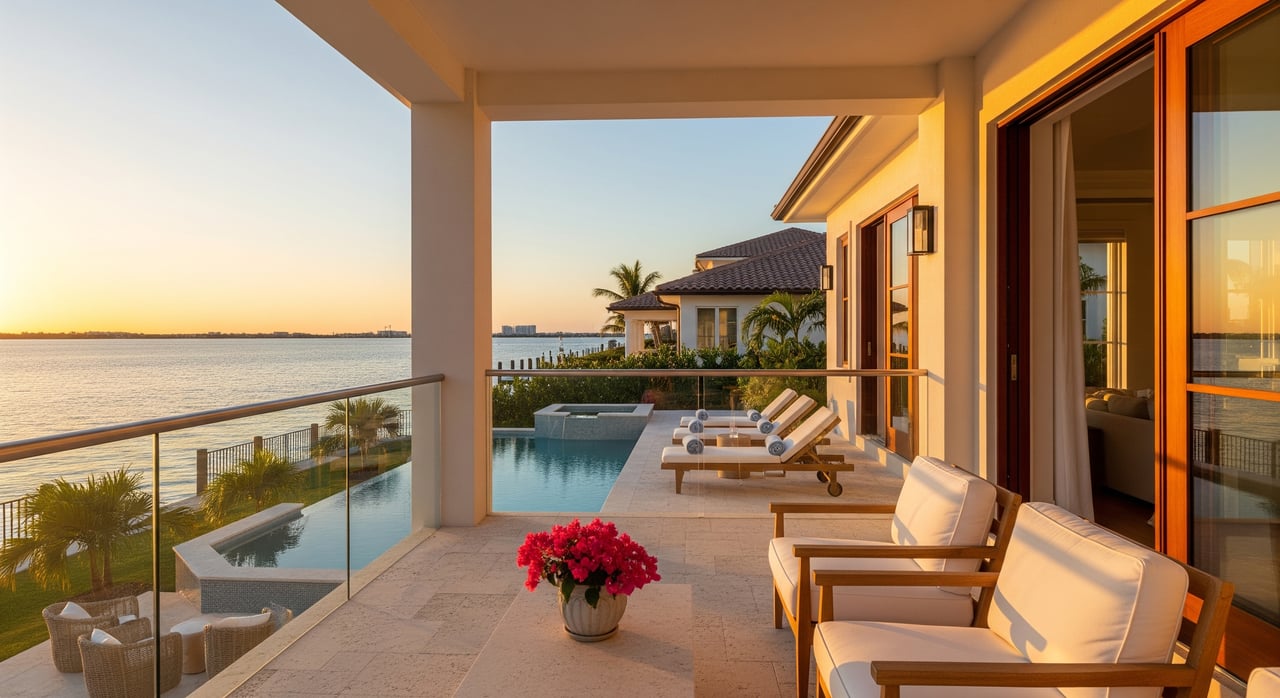
Thinking about splitting your year between Naples and somewhere cooler, but not sure if a condo or a single-family home fits best? You are not alone. Seasonal buyers often want low maintenance, secure lock-and-leave living, and the option to rent when away. In this guide, you will learn how condos and single-family homes compare on maintenance, insurance, amenities, rental flexibility, storage, HOA rules, and storm readiness, plus clear scenarios to help you decide. Let’s dive in.
Naples is a favorite for part-time residents who want sunshine, beaches, golf, and relaxed living with minimal upkeep. Most seasonal owners want simple lock-and-leave security and easy access to pools, fitness, concierge, or beach and golf amenities.
Hurricane season runs from June 1 through November 30, so you will want a clear plan for storm prep and insurance. For the official season timeline and safety basics, start with the NOAA Hurricane Center guidance. Flood risk and storm surge vary by neighborhood. You can check a property’s flood zone using the FEMA Flood Map Service Center.
Short-term rental rules differ between the City of Naples and unincorporated Collier County, and your association may add its own restrictions. State law also sets the framework for condos and HOAs. In Florida, condominiums are governed by Chapter 718, and homeowners’ associations by Chapter 720. Knowing which rules apply will guide your purchase and rental strategy.
Condo associations usually handle exterior maintenance, roofs, landscaping, pools, and common areas through monthly fees. For seasonal owners, this can make leaving for months much easier. Some buildings also offer property checks or concierge services.
With single-family homes, you control vendors and standards but take on more coordination. You will likely need lawn, pool, pest, and house-check services while you are away. If the home sits within a master-planned community, some services may be bundled, but expect more moving parts overall.
Condo owners typically carry an HO-6 policy for the interior, contents, and unit improvements, while the association’s master policy covers the building shell and common areas. Association deductibles and reserve funding can affect how quickly a building recovers after a storm and whether special assessments are likely.
Single-family owners carry full dwelling coverage and may see higher wind and hurricane premiums. Flood insurance can be required based on FEMA flood zone and lender guidelines. Ask for flood elevation certificates and a recent wind mitigation report. For consumer guidance on coverage types and market conditions, review the Florida Office of Insurance Regulation.
Many properties can qualify for wind-mitigation credits if they have impact windows, reinforced roofs, and other hardening features. Whether you choose a condo or a house, plan your storm-prep steps before leaving each season.
Condo fees can be higher because they fund shared systems, insurance, and reserves. Before you buy, review budgets, reserve studies, insurance certificates, meeting minutes, and any history of special assessments. Rental rules are often detailed and can limit minimum stays or how many units can be rented at once.
Single-family HOA dues are often lower, but covenants still govern exterior changes, landscaping standards, amenities, and rentals. Both condo and HOA communities operate under Florida statutes and require disclosures that help you evaluate financial health.
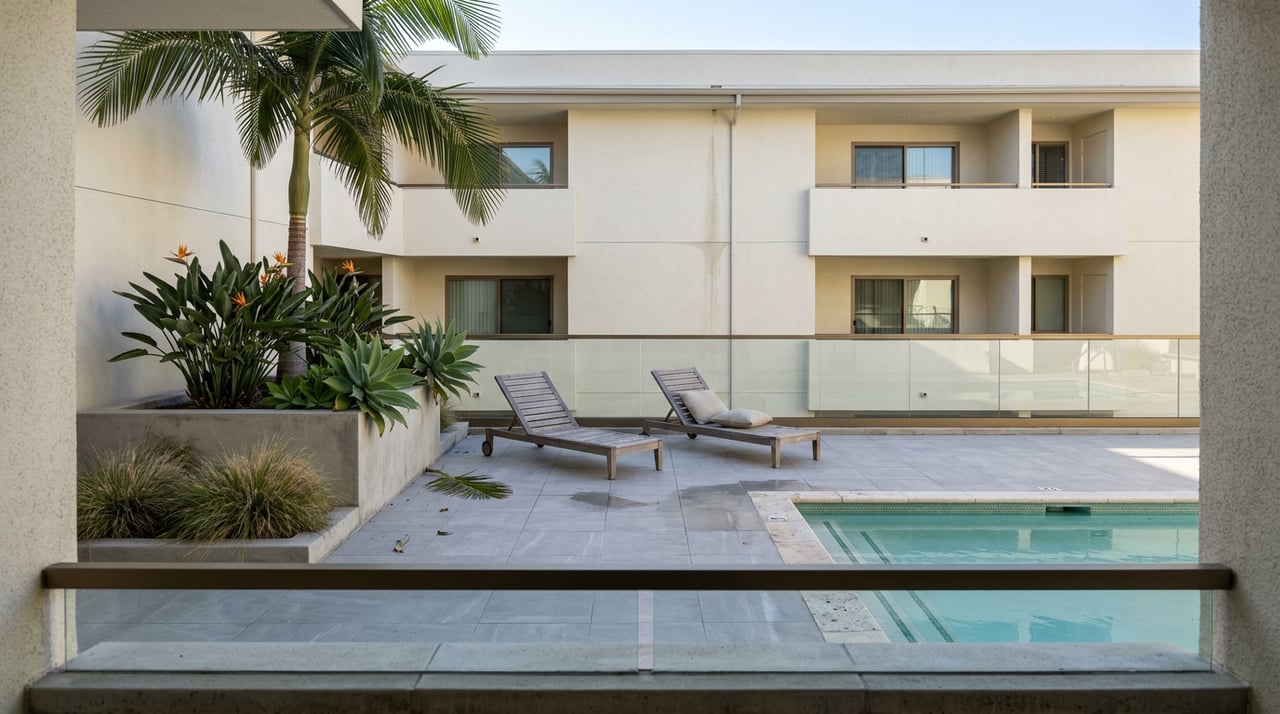
Condos often deliver turnkey amenities like pools, fitness centers, security, valet, covered parking, elevators, and onsite maintenance. If you want convenience and a social setting, this is a strong fit.
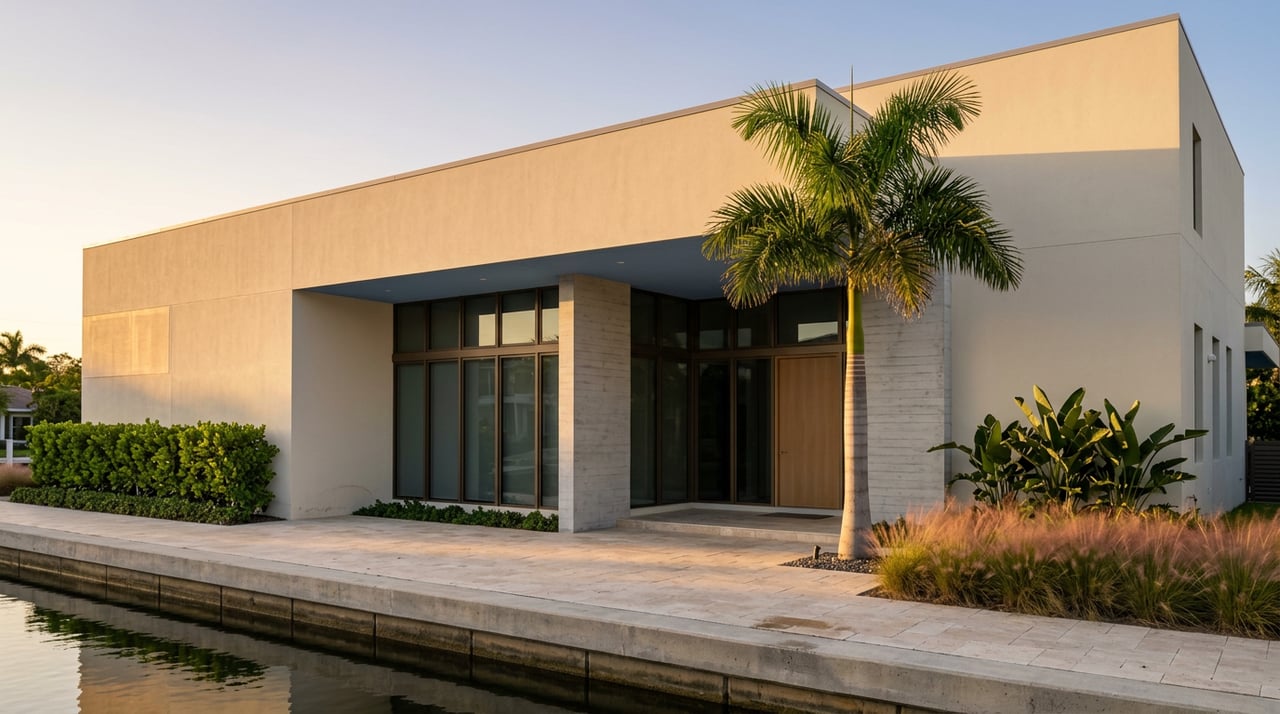
Single-family homes offer privacy, garages, yards, and the option for a private pool. Community clubs, golf, and marinas vary by neighborhood. If you want space and control, single-family often wins.
Condos commonly restrict rentals through minimum stays, seasonal blackout dates, and caps on the percentage of rentable units. This shapes your income potential and calendar flexibility. Desirable locations near the beach or downtown can command strong rates when short-term rentals are allowed.
Single-family homes can be more flexible, subject to city or county rules and any HOA covenants. Operating costs tend to be higher due to maintenance, utilities, and turnovers between guests. If you plan to rent, make sure you are registered and collecting the required transient rental taxes. The Florida Department of Revenue outlines tax obligations and registration steps.
Condos may have limited storage, although some offer lockers or bike rooms. Garages can be smaller or shared, and boat storage is uncommon unless the community includes a marina or deeded slips.
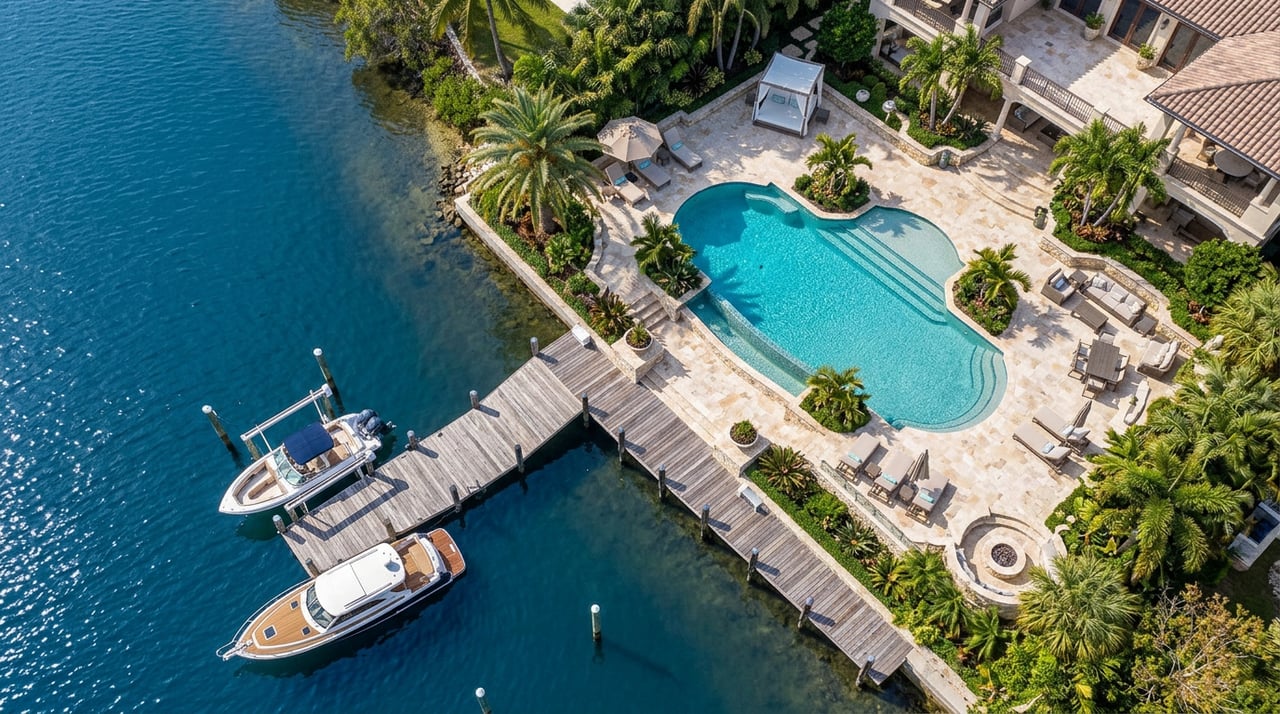
Single-family homes usually solve for storage with garages, sheds, and wide driveways. If boating is central to your lifestyle, a waterfront home with a private dock offers easy access. For dock permits, seawalls, and shoreline rules, check Collier County’s permitting resources or consult your agent on process and timelines.
Condos attract a wide pool of retirees, seasonal residents, and investors who value amenities and location. Buildings near the beach and downtown tend to stay in high demand.
Single-family homes appeal to buyers who want space, privacy, and yards. Waterfront and well-located single-family properties often hold a pricing premium. For local market context and seasonal demand trends, the Naples Area Board of REALTORS provides useful statistics.
If your days revolve around the water, prioritize a waterfront single-family home with a private dock, or a condo community with deeded or assigned slips. Confirm the condition and permits for seawalls and docks, and ask about insurance, storm protections, and bridge clearances to open water. Dry-stack marina options can help with off-season storage.
Key checks:
If you want easy tee times, consider a villa or single-family home within a golf community, or a condo overlooking fairways with membership options. Review whether a club membership is required or optional, and how assessments support course maintenance.
Key checks:
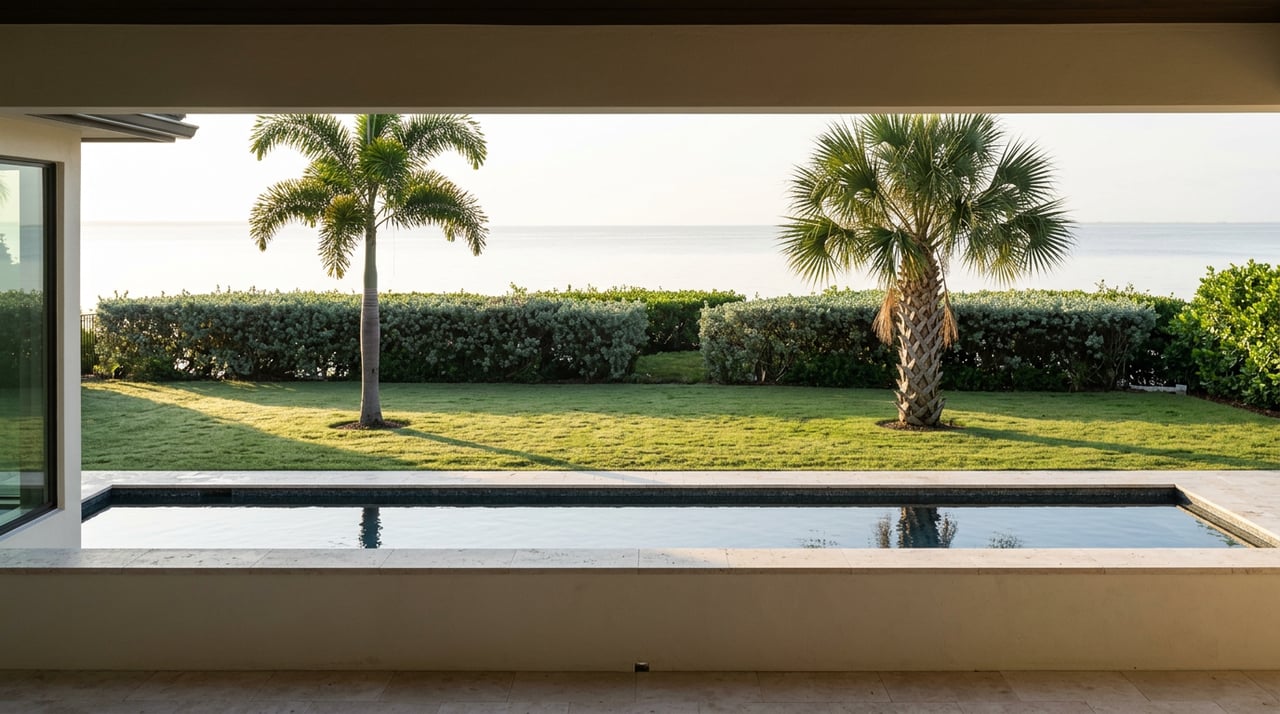
If you want to walk to the sand and keep maintenance light, a beachside condo can be ideal for seasonal use. If you value maximum privacy and outdoor space, a beachfront single-family home delivers a premium experience with higher risk and cost.
Key checks:
Use this practical list to compare properties with a seasonal lens.
Create a written hurricane plan with pre-season tasks and a point person for access. For official local updates, bookmark Collier County Emergency Management. Use the FEMA Flood Map Service Center to understand flood exposure, and review your coverage options with your insurer using resources from the Florida Office of Insurance Regulation.
If you plan to rent the property, register for tax accounts as required and stay current on changing rules. The Florida Department of Revenue provides transient rental tax guidance and filing steps. For parcel data and property specifics, the Collier County Property Appraiser is a helpful reference.
If you want turnkey ease with built-in amenities and predictable upkeep, a condo often fits seasonal living best. If you value privacy, storage, and boating or yard space, a single-family home will feel more like your personal retreat. Both can be smart choices when you match the home type to your lifestyle, insurance plan, and rental goals.
Ready to compare options that fit your season and budget? Schedule your Complimentary Consultation with Jesse & Jeri Hannon for friendly, expert guidance and a custom short list of Naples properties.
Stay up to date on the latest real estate trends.
You’ve got questions and we can’t wait to answer them.
Hannon Team
(239) 682-6262
[email protected]
1495 Pine Ridge Rd
Naples, FL 34109
14502 North Dale Mabry Highway
Tampa, FL 33618