Guide to Pasco County Waterfront Homes & Tampa Bay Living
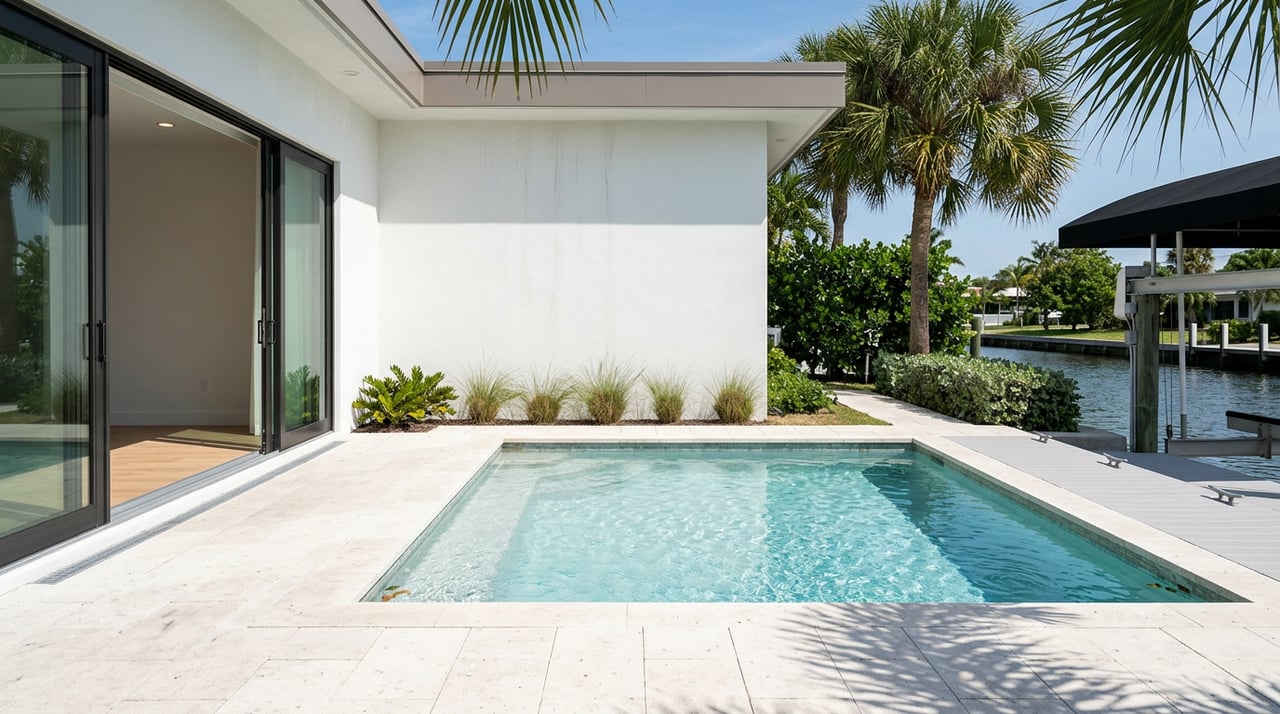
If waking up to gulls and glassy water is your idea of perfect, Pasco County’s slice of Tampa Bay might be calling your name. You want real Gulf access, an easy place to launch, and a home that fits the way you actually boat and relax. In this guide, you’ll get a clear overview of where the water is, what waterfront looks like here, how to reach the Gulf, and the smart due diligence steps that protect your purchase. Let’s dive in.
Pasco County’s west coast sits on Florida’s Nature Coast, just north of the main Tampa and St. Petersburg metro area. The shoreline mixes barrier islands, tidal bayous, and marsh habitat. According to the state’s coastal guide, Pasco has roughly 20 miles of shoreline with about 4 miles of sandy beach on nearby barrier islands, including Anclote Key and the coastline around Werner‑Boyce Salt Springs State Park. You can explore the area context in the Florida Department of Environmental Protection’s overview of Pasco County coastal access.
Two tidal rivers define much of the local boating and waterfront living: the Pithlachascotee (locals say “Cotee”) flows through New Port Richey and Port Richey to the Gulf, and the Anclote River reaches the Gulf near Holiday. These waterways lead to inshore Gulf waters, nearshore islands, and popular sandbars. For background on the Cotee’s course and character, see the Pithlachascotee River overview.
Not all waterfront is the same. In Pasco’s coastal communities, you will see several property types, each with a different lifestyle, cost profile, and boating experience.
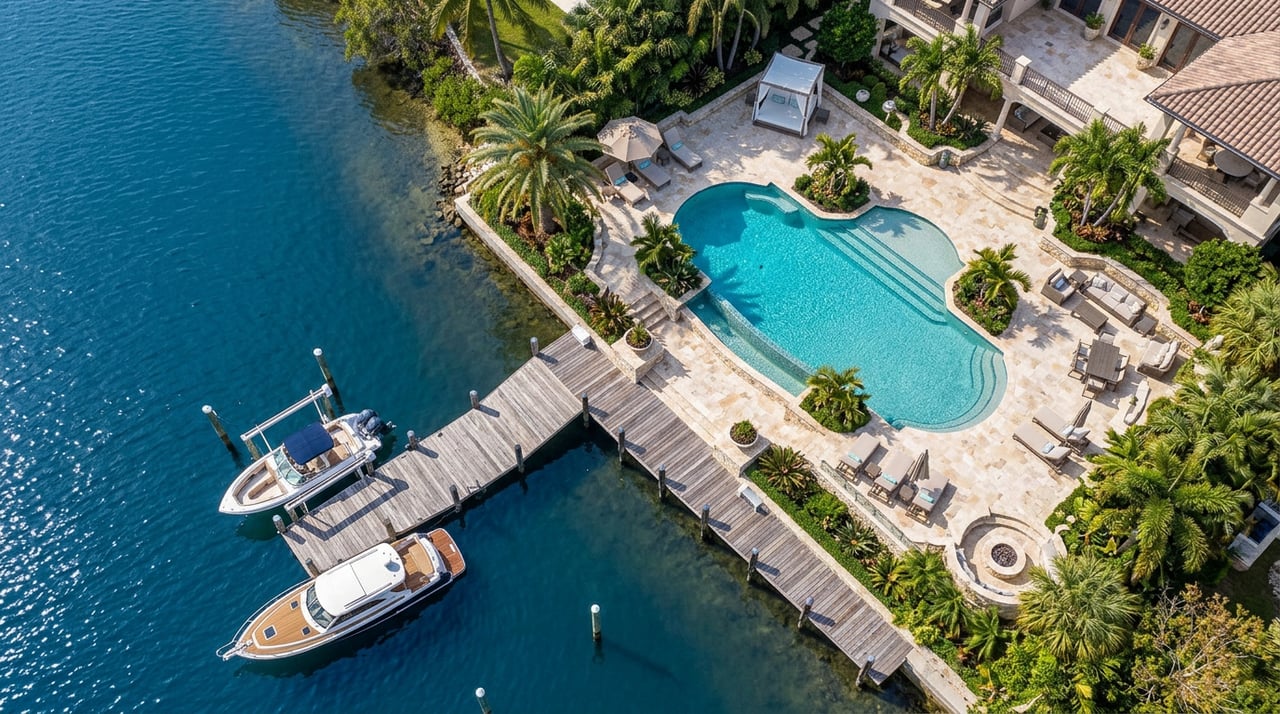
These are single-family houses on man-made saltwater canals, often with a seawall and a private dock or lift. Depth can vary by canal and neighborhood, which affects boat size and travel time. Hudson Beach, including Sea Ranch and surrounding canal subdivisions, is a classic example developed in the mid-20th century with extensive canal networks and gulf access.
Riverfront parcels sit directly on the Cotee or Anclote River and their bayous. Expect broader views, deeper navigation in many stretches, and direct runs to the Gulf through the river mouth. You will see a mix of older cottages and renovated homes, plus some condos, in areas near Downtown New Port Richey and Sims Park.
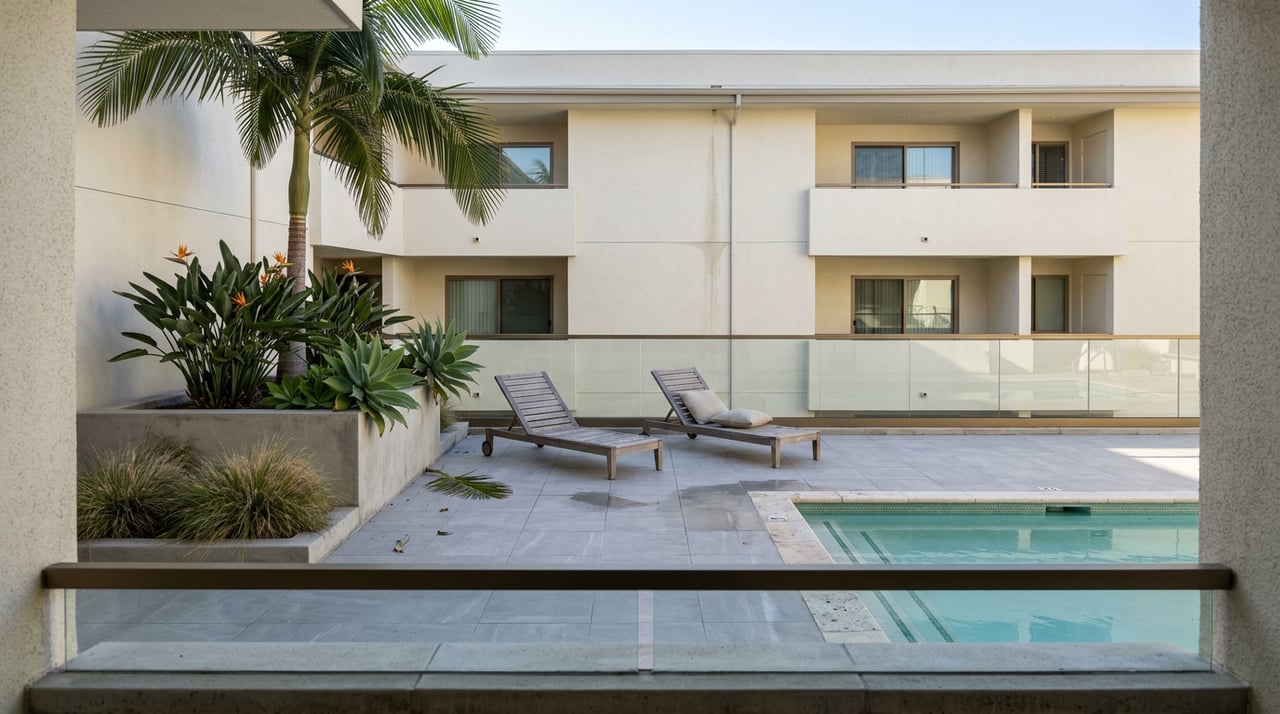
If you want low-maintenance living with water views and amenities, look at bayfront or Gulf-oriented condo complexes. Many offer pools, community spaces, and, in some cases, assigned or rentable slips. Hudson’s waterfront corridor includes complexes that advertise Gulf views and access along with managed maintenance.
Some condos, townhomes, or single-family homes are tied to a marina, where slips may be deeded, assigned, or leased. This setup can be ideal if you prefer professional dock management, on-site fuel, and yard services. Slip availability and rules vary by property and marina, so confirm details early. Regional directories can help you understand the marina landscape across Pasco; browse a Florida-wide view of options through marina listings and directories.
If you love character and a slower pace, older cottages and mixed-use parcels near working docks or small marinas may fit. Neighborhoods like Aripeka and parts of Anclote Village offer a more traditional coastal feel and easy proximity to local piers and river restaurants. For a sense of this heritage, explore the area’s forgotten fishing villages.
Pasco’s coastal residents rely on several well-used public access points. Anclote River Park in Holiday provides a multi-lane boat ramp, beach area, and fishing options, and nearby Anclote Gulf Park adds a long public pier popular for sunsets. Learn more about amenities at Anclote River Park. Sims Park in New Port Richey anchors community events along the Cotee and provides access to the riverfront scene.
You will find a cluster of small and mid-sized marinas around Port Richey, Hudson, and Holiday. Services range from wet slips and storage to fuel and basic yard work. Inventory and slip size vary by location, so confirm maximum vessel length and draft directly with the marina. For a broader scan of facilities, consult regional marina directories.
Many neighborhoods market “direct Gulf access,” and that can be accurate, but run times depend on canal depth, tides, and any bridge clearances. Some areas offer short runs to open water, while others can take 20 to 30 minutes or more. Before you buy, verify real-world conditions with a marina, civic association, or chart for your target neighborhood.
Waterfront living is about lifestyle, but it is also about details. A little homework goes a long way toward a smooth closing.
Coastal construction is regulated at the state and, often, federal levels. Florida law and water-management rules govern docks, seawalls, and dredging, and some projects also involve review by the U.S. Army Corps of Engineers. Always request copies of permits for existing structures and confirm status with the county. For the statutory framework, review Florida’s Chapter 373.
Many waterfront parcels fall within FEMA Special Flood Hazard Areas. Lenders typically require flood insurance for mortgages on high-risk zones, and map updates can affect premiums. Ask the seller for any elevation certificate, consult the FEMA Map Service Center during your inspection period, and obtain quotes early.
Inspect seawalls and docks carefully. Age, visible settlement, corrosion, and prior repair records matter because replacement can be costly and may require permits. Clarify who is responsible for maintenance, whether that is the homeowner, HOA, or a special district.
Some planned waterfront communities manage private ramps, beach access, or marina amenities, often with separate membership or HOA fees. Rules for slip allocation, guest usage, and transferability vary widely. As an example of community boating culture, the Gulf Harbors Yacht Club illustrates how resident-led clubs contribute to an active waterfront lifestyle. Always verify fees, rules, and any planned assessments before you commit.
The coast includes seagrass flats, mangrove fringes, and sensitive habitats, which shape navigation and conservation rules. Buyers planning significant shoreline changes face stricter review than those adding or maintaining a private dock. For context on local ecology and public access points, the state’s Pasco coastal access page is a helpful primer.
Whether a property is on septic or public sewer can affect costs and future permitting. Pasco County has documented utility and conversion priorities over time. You can review county storytelling resources on infrastructure focus areas through Pasco County’s OpenGov portal.
Expect canal-heavy neighborhoods with gulf-access cottages alongside larger renovated homes. Local marinas and condo complexes support an active boating scene, and many canals date back to mid-20th-century development. For historical context, see the background on Hudson Beach.
Planned waterfront subdivisions here often feature community ramps, active civic groups, and optional beach-club memberships. Streets are golf-cart friendly in many areas, and homes range from classic Florida ranches to updated coastal styles. The nearby riverfront and local clubs create a strong sense of boater community.
This is a mixed urban and riverfront experience with parks, fishing piers, and seasonal events. The Cotee runs through it all, offering a lively waterfront backdrop with restaurants and public spaces. For a local flavor, see coverage of popular fishing and boating spots in Pasco’s outdoor scene.
Public ramps and parks serve anglers and casual boaters, with quick access to nearshore islands and beaches. Anclote River Park and Anclote Gulf Park anchor daily recreation, from launching to sunset walks on the pier. Preview amenities at Anclote River Park.
Quieter and more rural in feel, these pockets offer older cottages near tidal creeks and river mouths. You will find a strong sense of place, easy access to nature, and a slower rhythm that appeals to buyers who want character over formality. Explore the area’s history through the Nature Coast’s fishing-village heritage.
Use this simple list to focus your search and protect your purchase:
If you want the right boat fit, the right run to open water, and a home that feels like vacation every day, local knowledge matters. We help you weigh canal versus river frontage, verify the details that impact boating, and navigate HOA and permit questions with confidence. For a calm, consultative path to your waterfront home, connect with Jesse & Jeri Hannon to start your search.
Stay up to date on the latest real estate trends.
You’ve got questions and we can’t wait to answer them.
Hannon Team
(239) 682-6262
[email protected]
1495 Pine Ridge Rd
Naples, FL 34109
14502 North Dale Mabry Highway
Tampa, FL 33618