Your Naples Waterfront Living Guide to Condos & Estates
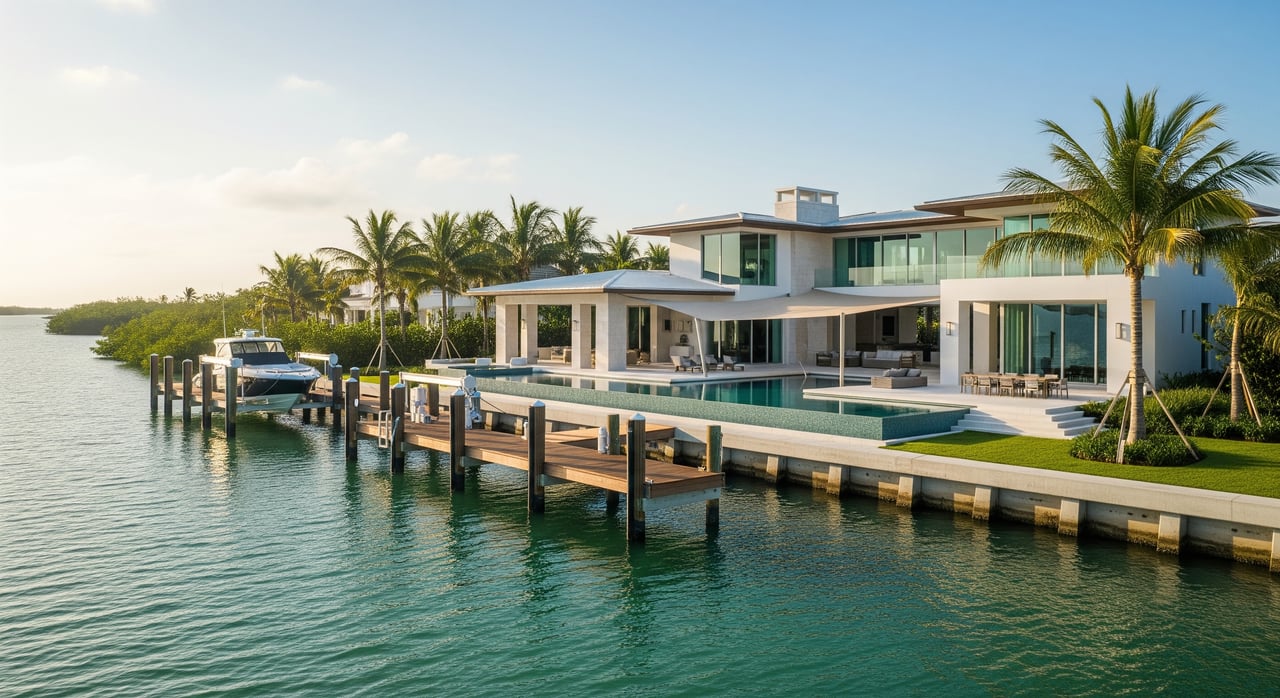
When you picture “waterfront living” in Naples, do you see toes-in-the-sand sunsets or a private dock ready for a morning cruise? Both are possible, but they come with very different day-to-day experiences, costs, and rules. If you are early in your search, it helps to understand what “waterfront” really means here and which lifestyle actually fits you.
In this guide, you will learn the main types of waterfront in Naples, how they feel to live in, and the practical details you should verify before you buy. You will also find local resources to help you check flood maps, boating access, permits, and insurance. Let’s dive in.
“Waterfront” in Naples and greater Collier County can mean several things. Each option offers a distinct lifestyle and set of trade-offs.
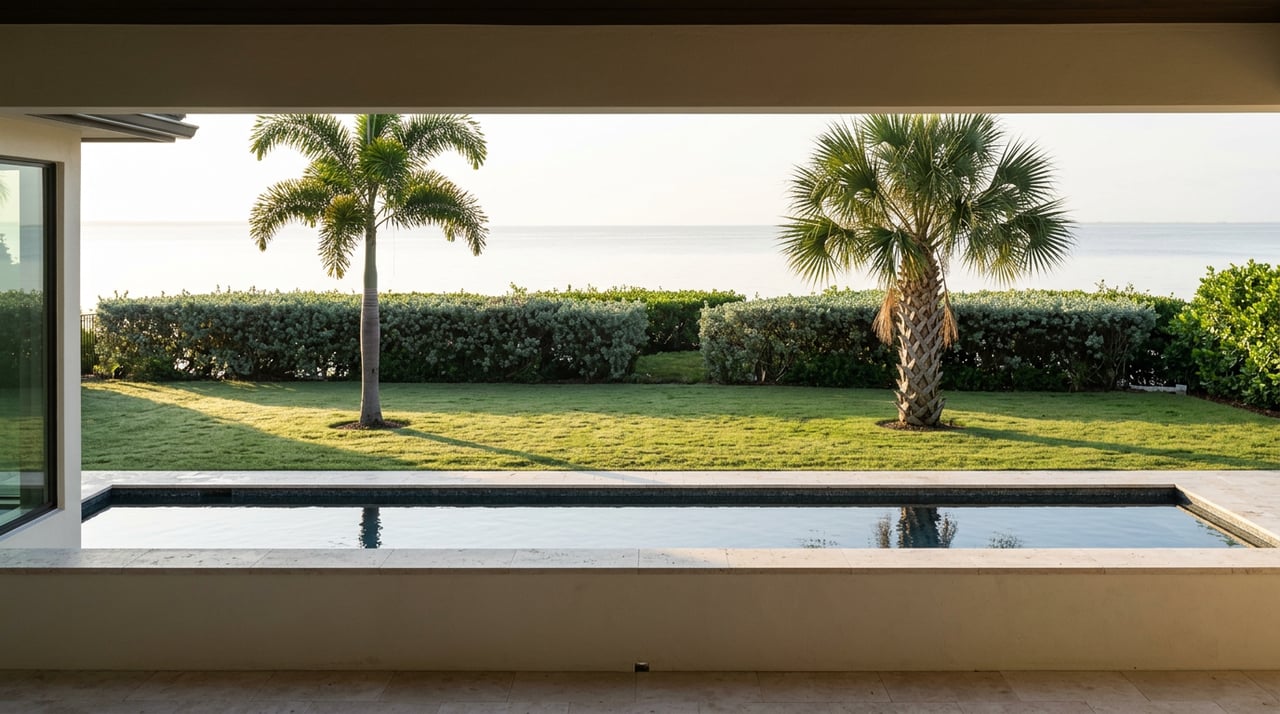
If you want direct beach access and daily sunsets over the Gulf of Mexico, gulf-front condos or select single-family homes are your target. You get low-maintenance exterior living in most condos, resort-style amenities, and the shortest walk to the sand.
Trade-offs include less private outdoor space, coastal construction controls that limit changes, and exposure to storm surge. Associations often carry robust building insurance, which can translate into higher HOA assessments.
Bayfront properties front Naples Bay, the Gordon River, or similar waterways. Many offer on-site or nearby marinas, calm-water views, and great access to boating and kayaking. Bay-view towers can deliver wide panoramas and a city-meets-water vibe.
Trade-offs can include association rules about boat size or slips, and in some cases the building sits across a public roadway from the water. If boating is a priority, confirm whether slips are deeded, leased, or available by waitlist.
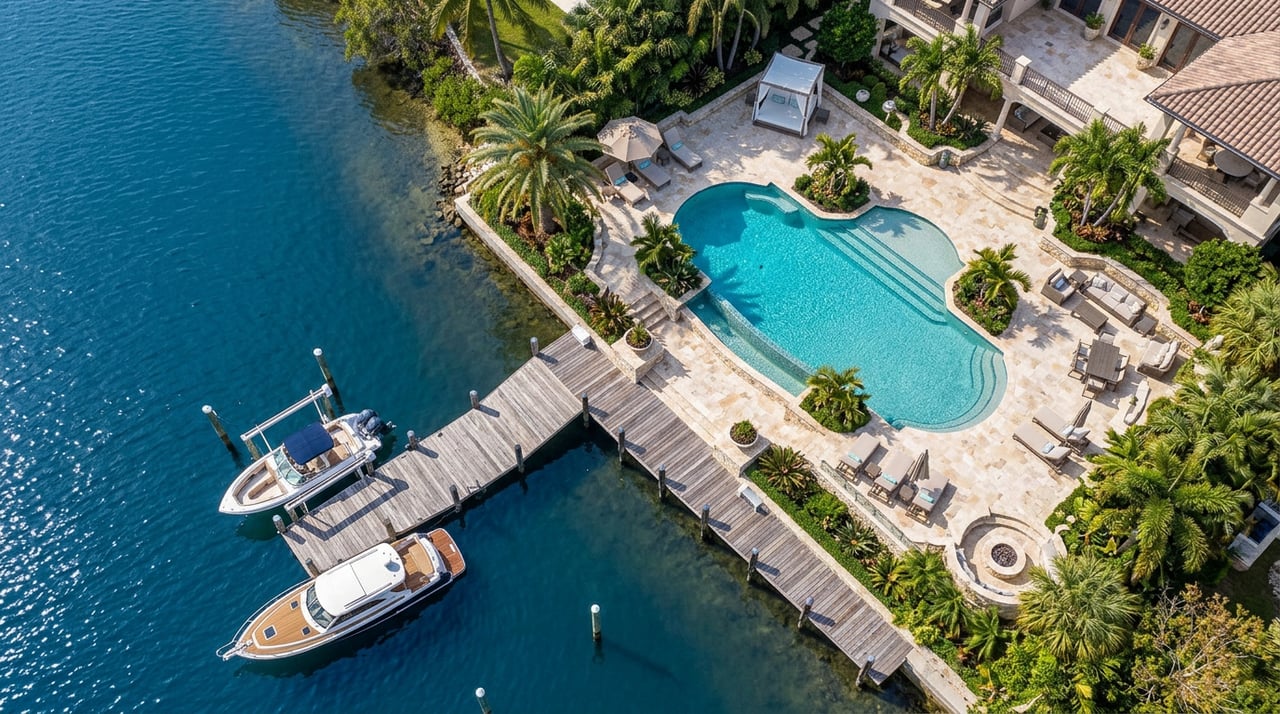
Canal neighborhoods such as Aqualane Shores, Royal Harbor, and parts of Port Royal give you a private dock and a true boater’s routine. You can launch from your backyard and head toward Naples Bay, then out to the Gulf if bridges allow it.
Owners typically handle their own seawall and dock maintenance. Canals can feel less private than open bay or beach settings, and you should verify bridge clearances along your route to the Gulf.
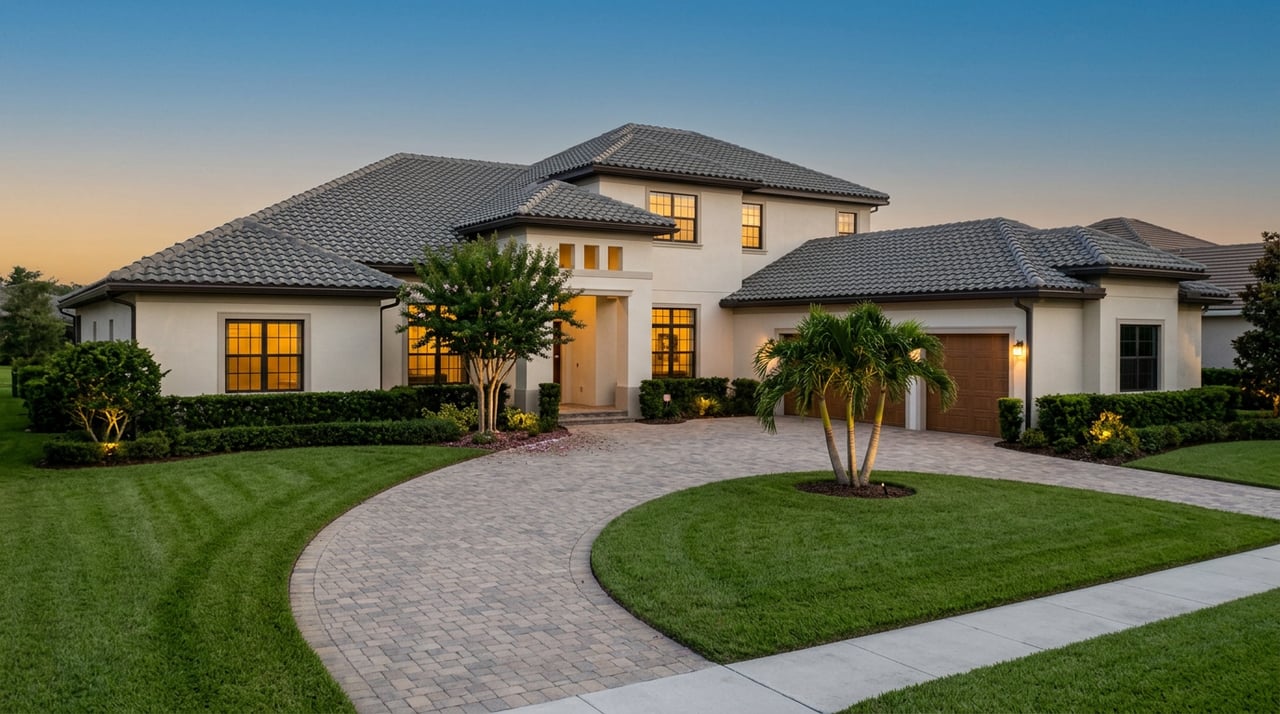
Many gated and newer inland communities feature lakes and ponds that deliver water views without tidal swings or boating traffic. This option suits buyers who want scenic water, wildlife, and community amenities without the complexity of boat access.
These waters are not navigable and are often managed by the HOA or county. Rules, maintenance, and water levels are different from tidal or gulf-access properties.
Estate properties in areas like Port Royal or select Old Naples and Aqualane Shores parcels can combine privacy with deep-water dockage. Think larger lots, room for guest spaces, and custom amenities.
The trade-off is complexity. Expect higher maintenance and insurance costs and more involved permitting for any alterations to docks, seawalls, or shoreline features.
Start with your lifestyle priorities, then weigh the practical side.
If boating is central to your search, confirm access before you fall in love with the view.
Always verify that existing docks and lifts have proper permits and ask for as-built plans during due diligence.
Insurance is a key part of owning waterfront property. Costs and availability depend on flood zone, building age and type, elevation, and current market conditions.
Before you write an offer, request recent premium estimates from the seller, ask about any past claims, and confirm whether an elevation certificate exists.
Many canal and bay properties sit behind seawalls or bulkheads. Seawall age, construction type, and condition matter. Replacement or major repairs can be significant, so it is smart to obtain quotes from local marine contractors if you see signs of deterioration.
Gulf-front and dune areas follow tighter state rules. If you plan to alter shoreline structures or build near the beach, expect additional review under Florida’s coastal construction controls. Keep documentation for any prior work and confirm who is responsible for shared or association seawalls.
Every neighborhood has its own rules, setbacks, and waterfront nuances. Ask for the latest association documents and confirm specific boating and rental policies.
Bring this list to each property. It will focus your questions and help you compare options.
Whether you picture a quiet bayfront balcony, a private canal dock for your center console, or a toes-in-the-sand beachfront condo, the right choice starts with clarity. We help you compare lifestyle, access, rules, and long-term costs so your Naples home supports how you actually want to live.
If you are ready to map your options and tour smart, connect with Jesse & Jeri Hannon to learn what is possible. Schedule Your Complimentary Consultation.
Stay up to date on the latest real estate trends.
You’ve got questions and we can’t wait to answer them.
Hannon Team
(239) 682-6262
[email protected]
1495 Pine Ridge Rd
Naples, FL 34109
14502 North Dale Mabry Highway
Tampa, FL 33618