Pasco HOA and Amenities Guide for Smart Community Comparisons
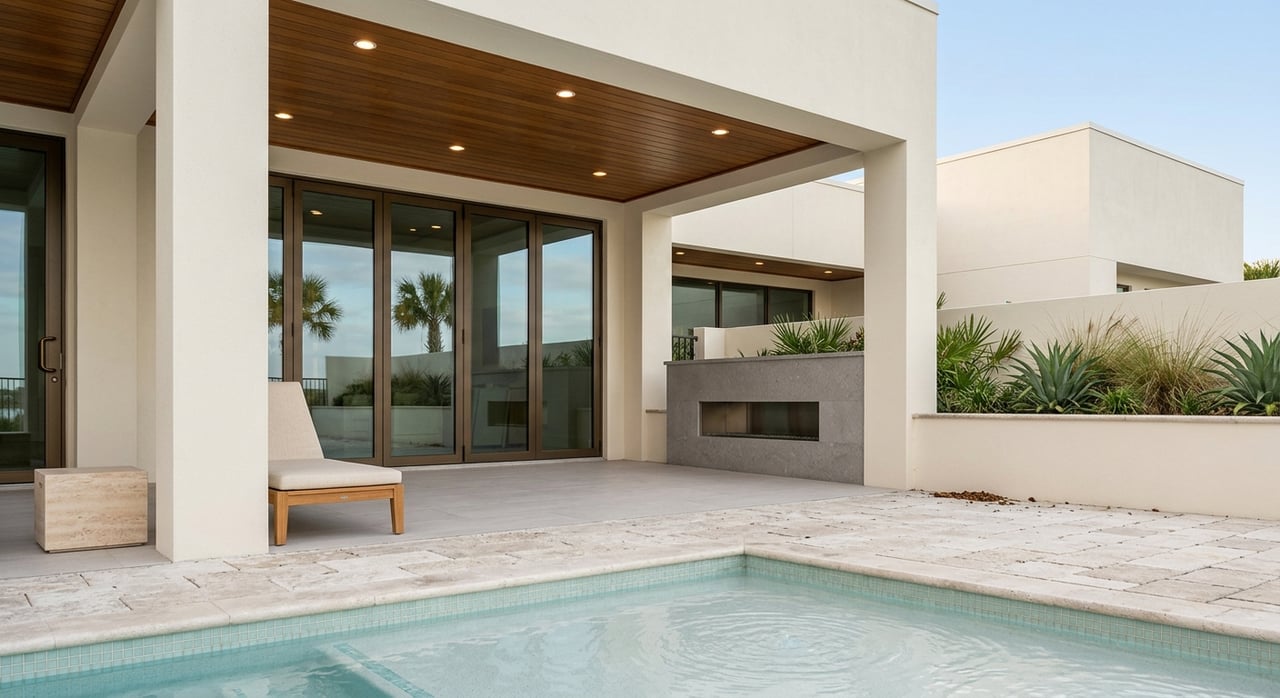
You can fall in love with a pool, clubhouse, or marina-style amenity package in minutes. What takes more work is figuring out who pays for it, who maintains it, and whether it will truly fit your day-to-day life in Pasco County. If you are comparing communities, this guide will help you look past the marketing photos and evaluate HOA and condo amenities with more confidence. Let’s dive in.
Amenities can look simple on a listing sheet, but the real questions start with ownership and access. In Florida HOA budgets, recreational amenity fees or charges must be listed separately, even when the amenity is owned by the association, the developer, or another party.
That matters because a resort-style pool, fitness center, dock area, or clubhouse may not always be funded the same way. Before you buy, ask who owns each amenity and who is responsible for operating, insuring, repairing, and replacing it over time.
In condominium communities, common expenses can cover maintenance, repair, replacement, and protection of common elements and association property. They can also include items like security and road maintenance when they benefit the community as a whole.
If you are buying as a seasonal owner or investor, access rules matter just as much as ownership. In a Florida condo, if a unit is leased, the tenant generally receives the same use rights to common elements and association property that the owner would have, unless that right is waived in writing.
Use rights can also be suspended for rule violations or delinquent assessments, with limited exceptions for access or utility items needed to reach the unit. If you expect renters, guests, or visiting family to enjoy the amenities, review those policies early.
A long amenity list does not automatically mean strong value. A smaller list of well-maintained amenities can be more appealing than a larger package with deferred repairs, weak reserves, or unclear funding.
For condominiums, Florida requires associations to maintain adequate property insurance and fidelity bonding for people who control association funds. If insured property is damaged by an insurable event, reconstruction or repair is generally treated as a common expense.
That gives you an important clue about what to look for in the records. You want to know whether the community appears prepared to maintain and restore the amenities and common areas you are paying for.
Condominium budgets may include reserve accounts for capital expenditures and deferred maintenance. Those reserve funds are generally restricted to authorized uses unless a majority vote approves another use.
If a community has attractive amenities but limited reserve capacity, that can affect future costs. The Florida Department of Business and Professional Regulation has stated that if a structural integrity reserve study shows a funding gap, the association may need special assessments or financing to stay on schedule.
A completed structural integrity reserve study gives the association a list of components, the life expectancy of each visually inspected common element, an evaluation of current reserve funding, and a recommended funding plan. This is especially useful when you are trying to understand whether a community is keeping up with major long-term obligations.
DBPR also notes that owners can complain if a structural integrity reserve study includes items beyond structural integrity, such as a pool that is not part of the condominium building. That distinction matters in amenity-rich communities, where a glossy lifestyle package may sit alongside very different structural reserve needs.
Amenities are only as strong as the system behind them. Florida describes condo and co-op board members as fiduciaries responsible for maintenance and enforcement, so the quality of a community experience often depends on governance as much as the original amenity package.
In practical terms, a beautiful clubhouse means less if maintenance is delayed, rules are enforced inconsistently, or major projects are postponed. When you review a community, pay attention to whether the association appears organized, transparent, and proactive.
One of the smartest things you can do is read the association records, not just the marketing description. This is where you start to see the real story behind dues, restrictions, repairs, and amenity responsibilities.
For condominiums, official records include the declaration, bylaws, articles, current rules, minutes, owner roster, insurance policies, contracts, inspection reports, building permits, bids, and other association records. These records must be kept in Florida, organized, and made available to owners within 10 working days after a written request.
For HOA communities, official records similarly include the declaration, bylaws, articles, current rules, minutes, member roster, insurance policies, contracts, bids, and plans, specifications, permits, and warranties for improvements the association must maintain. HOA records must generally be kept for at least seven years and made available within 10 business days.
Large condo associations with 25 or more units must also maintain a website or mobile application and post certain documents, including the declaration, bylaws, rules, annual budget, financial report, and meeting minutes, effective January 1, 2026. That can make it easier to review important documents during your due diligence period.
As you read, focus on the items that affect your lifestyle and future costs most directly.
Look for:
If you are buying in an HOA community, Florida requires buyers to receive the statutory disclosure summary before signing. For condo purchases, buyers should receive the declaration, bylaws, articles, rules, current question-and-answer sheet, year-end financial information, and applicable inspection or reserve-study materials.
This is often the moment when amenity access, assessment risk, and community restrictions become clear in writing. It is also where many buyers learn that a community that looked perfect online may not fit their real priorities.
For some Pasco County buyers, especially those considering condominiums, building condition is part of the amenity conversation. That is because repair obligations and inspection timelines can affect dues, special assessments, and even how amenities are used during maintenance periods.
Florida requires milestone inspections for buildings that are three habitable stories or more and subject to condominium or cooperative ownership by December 31 of the year the building turns 30, and every 10 years after that. Condo official records also retain structural and life-safety inspection reports, and purchasers should receive milestone, turnover, and reserve-study information when applicable.
As of 2026, the key structural integrity reserve study deadline for unit-owner-controlled condominium associations existing on or before July 1, 2022, was December 31, 2025. If a milestone inspection is required on or before December 31, 2026, the reserve study can be completed with it by December 31, 2026.
If you are comparing condo communities, ask whether any milestone inspections, reserve studies, or major repair plans are current or upcoming. A strong answer should help you understand both building condition and the likely impact on ownership costs.
In Pasco County, evaluating amenities also means thinking about weather exposure and disruption risk. Two communities may offer similar pools, clubhouses, or waterfront-style features on paper, but they can carry different flood and evacuation realities.
Pasco County’s GIS Evac Finder allows users to search an address and identify the evacuation zone. Pasco County GIS and property data also include FEMA flood zone and evacuation zone fields.
County storm-surge maps are intended for general education and community-level awareness, not parcel-level assessment. Still, they can help you ask better questions about how a community may function during storm season and what that may mean for amenity access, repair timelines, and insurance pressures.
The best amenity package is not always the biggest one. In Pasco County, the best fit is the community whose rules, maintenance approach, and hazard profile align with how you actually plan to live.
If you are a year-round owner, you may care most about routine usability, upkeep, and long-term budgeting. If you are a seasonal buyer, guest access, leasing rules, and storm-season planning may matter more.
If you are comparing communities, these questions can help:
When you evaluate HOA and condo amenities in Pasco County, try to think beyond first impressions. Attractive features matter, but the real value comes from understanding how those features are funded, maintained, governed, and used.
A thoughtful review now can help you avoid surprises later. It can also help you choose a community that supports the lifestyle you want, whether that means low-maintenance living, seasonal flexibility, or a stronger sense of predictability in your monthly costs.
If you want help comparing Pasco County communities and asking the right questions before you buy, Jesse & Jeri Hannon are here to guide you with clear, personalized advice.
Stay up to date on the latest real estate trends.

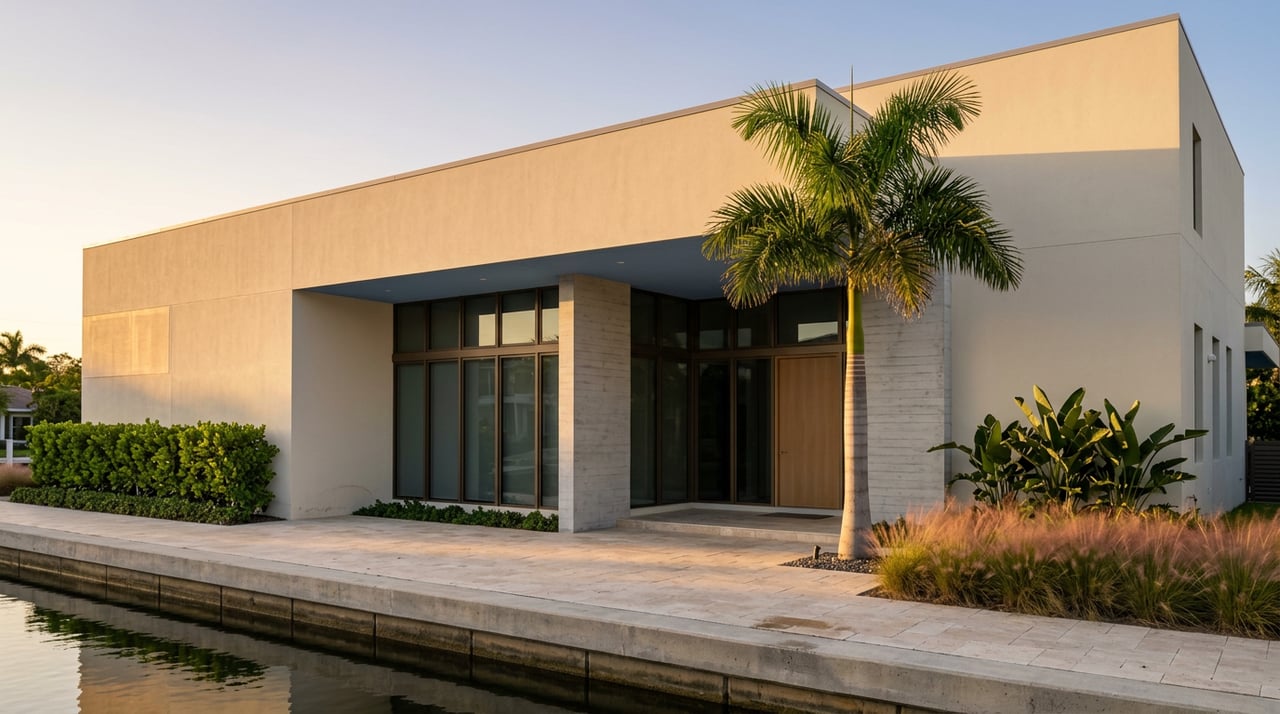

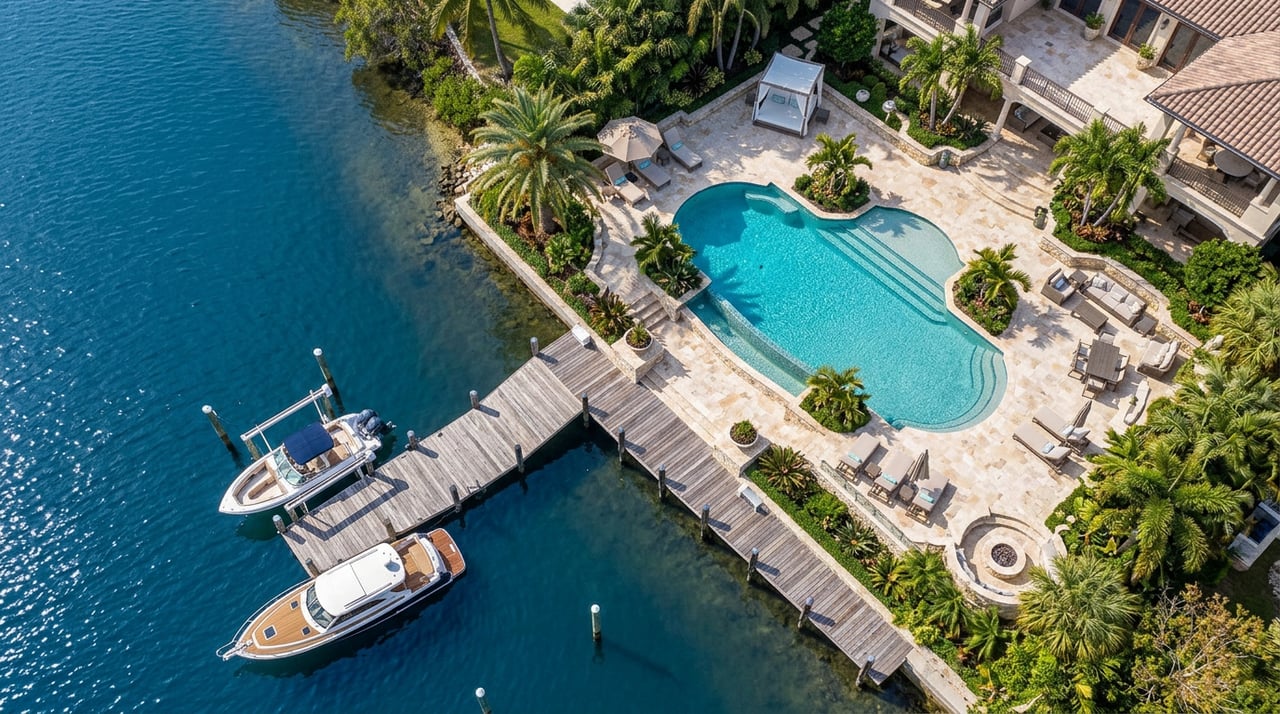
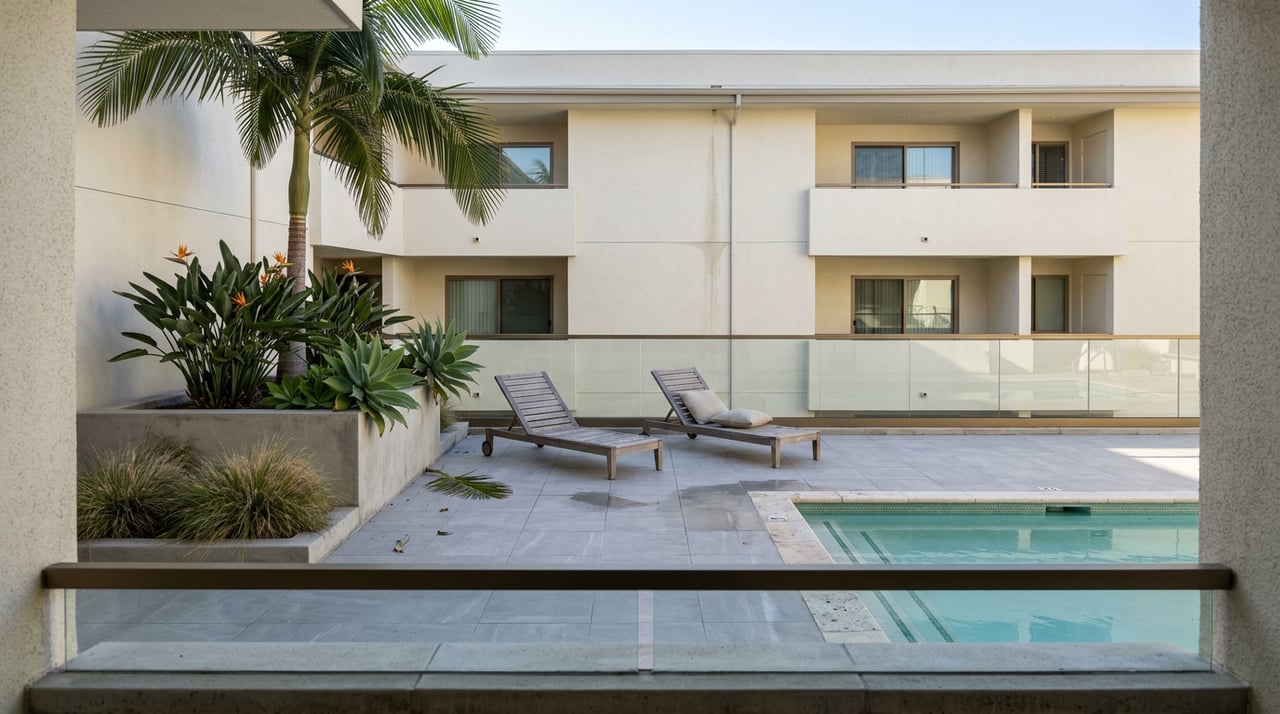
You’ve got questions and we can’t wait to answer them.
Hannon Team
(239) 682-6262
[email protected]
1495 Pine Ridge Rd
Naples, FL 34109
14502 North Dale Mabry Highway
Tampa, FL 33618