What Seasonal Living on Pasco Tampa Bay Coast Feels Like
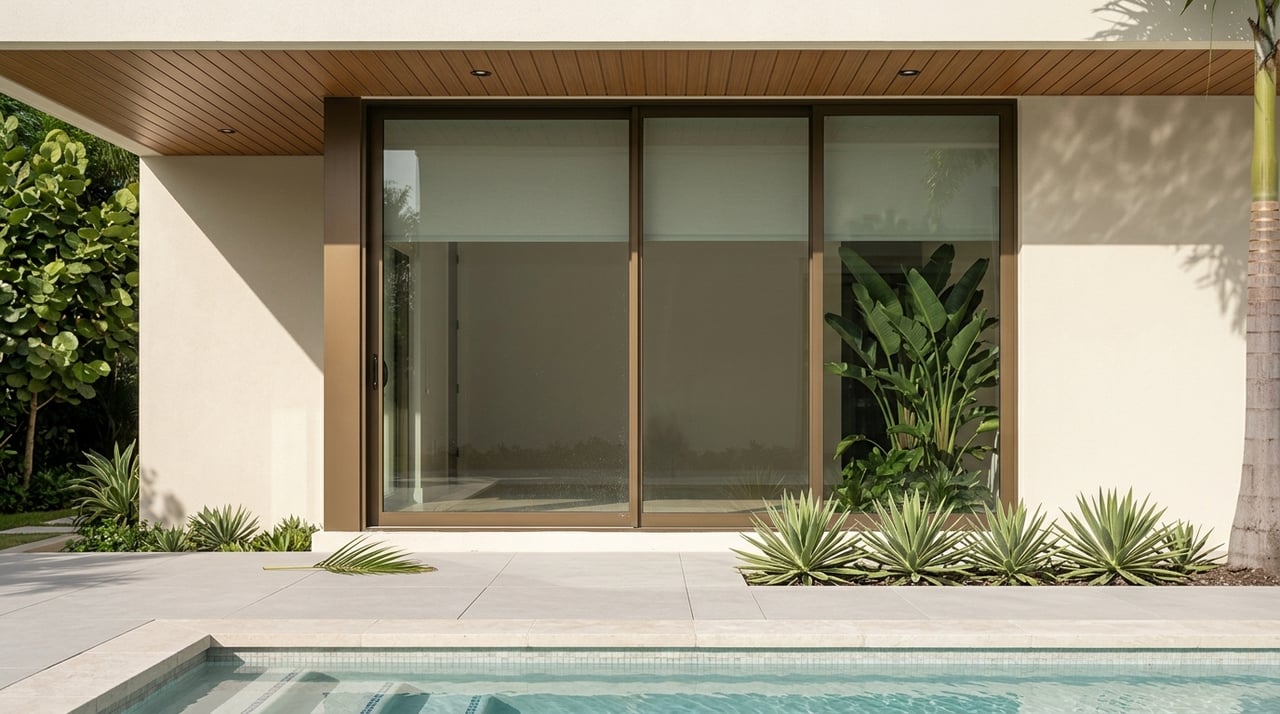
If you are dreaming about a place where winter feels easy and the calendar stays full, Pasco County’s stretch of Tampa Bay coast deserves a closer look. Seasonal living here can be a great fit, but it works best when you understand the local rhythm, from weather patterns to home upkeep and the kind of coastal lifestyle you will actually find. This guide walks you through what to expect in Pasco through the year so you can plan with more confidence. Let’s dive in.
Pasco County offers a climate pattern that makes it especially appealing for part-time living. Official Tampa climate normals show average January temperatures around 71.3°F for highs and 52.8°F for lows, with February at 74.0°F and 55.5°F. In summer, July and August average about 91°F for highs with lows in the mid-70s.
That weather pattern creates a natural seasonal rhythm. Late fall through spring is often the most comfortable time for longer stays, while summer tends to favor early outings, water activities, pool time, and indoor plans during the hottest parts of the day. Annual precipitation is 49.48 inches, with much of the wetter stretch concentrated in late spring and summer.
Winter is one of the biggest draws for seasonal owners. The milder temperatures make it easier to enjoy patios, walks, waterfront dining, boating, and community events without the intense summer heat. If you are leaving a colder climate behind, this is often the season that makes Pasco feel especially rewarding.
It is also a practical time to explore neighborhoods, compare home styles, and get familiar with nearby marinas, parks, and daily conveniences. You can usually spend more time outdoors and get a clearer sense of how you want to live here.
Spring brings an active social calendar and a strong sense of momentum. Signature events in the county include Chasco Fiesta in New Port Richey, which features concerts, parades, family activities, a car show, and a boat parade. The season also includes the Pasco County Fair and the Annual Kumquat Festival in Dade City.
For many seasonal residents, spring is when Pasco feels especially lively. You can enjoy outdoor events, spend more time on the water, and see how the county’s coastal and inland areas each offer a different pace.
Summer is hot, wet, and more weather-aware. July and August average just over 91°F for daytime highs, and this is part of the county’s wetter stretch. It can still be a fun season, but it usually calls for a different routine.
This is the time for early-morning outings, paddling, boating, pool time, and indoor breaks during the peak afternoon heat. Summer also brings seasonal programming tied to the coast, including scalloping season and the Scallop & Music Festival at SunWest Park.
Fall can be a transition season for seasonal homeowners and buyers. It is a useful time to prepare a property for your return, line up service providers, and review any storm-season plans before winter living begins again.
Pasco County treats June 1 through November 30 as hurricane season. The county also emphasizes that evacuation zones are not the same as flood zones, which is an important detail if you are comparing homes in coastal or low-lying areas.
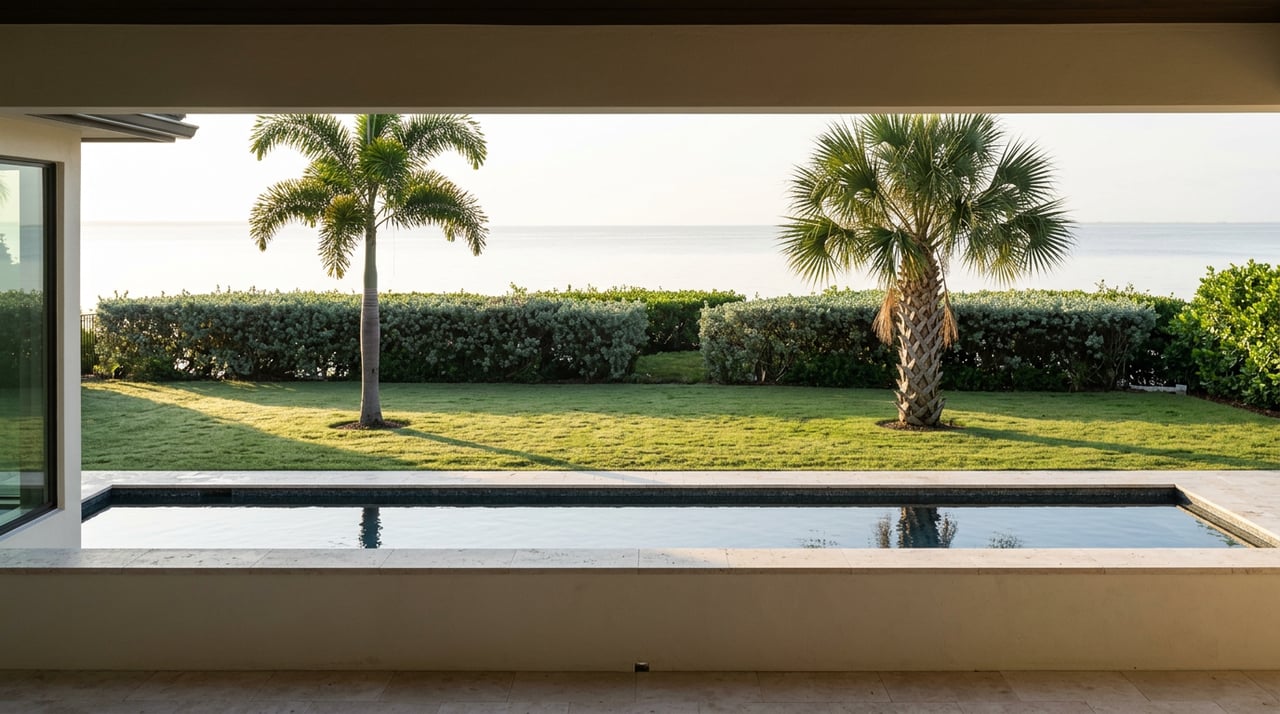
One of the most important things to understand about Pasco is that its coastal lifestyle is often shaped more by waterways, preserves, and boating access than by a long resort-style beach strip. That surprises some first-time buyers, especially if they picture direct walk-out beach living as the main coastal experience.
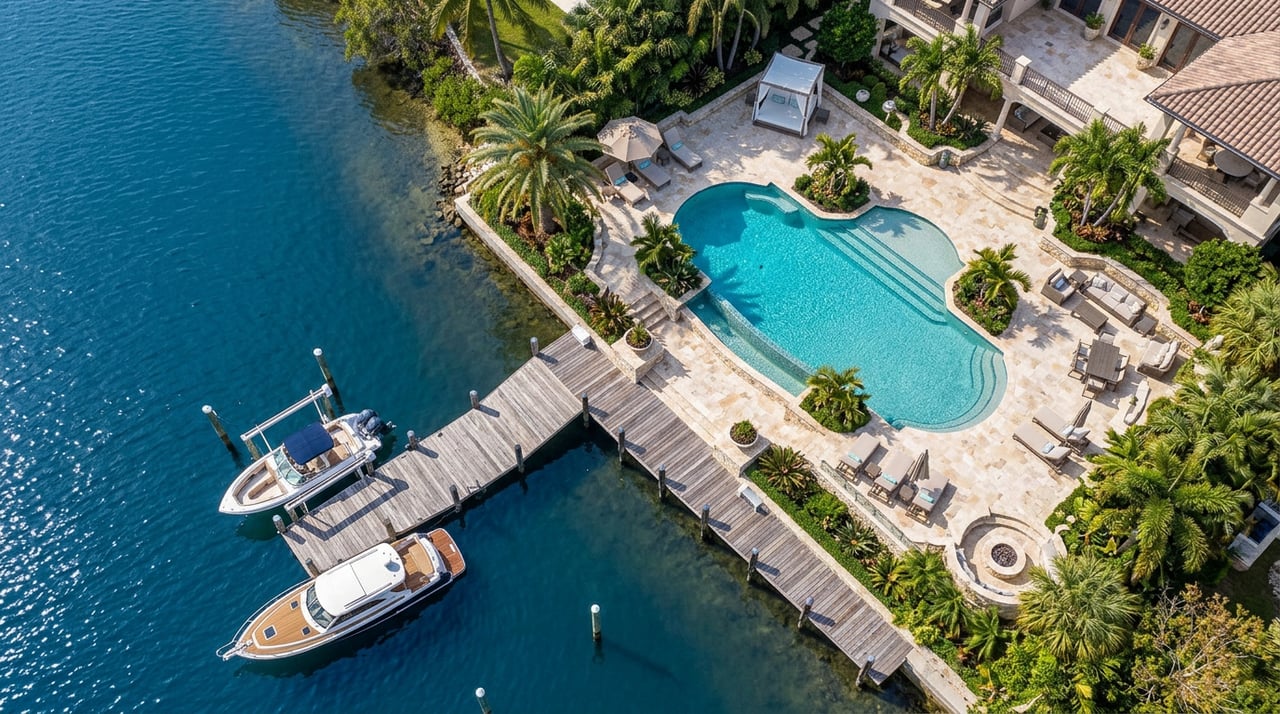
In Pasco, “coastal” can mean canal frontage, river access, bay access, marina proximity, or preserve-adjacent shoreline. The county’s planning language around blueways highlights docks, boat ramps, and canoe or kayak launches, which helps explain why launch access matters so much in this market.
Anclote Key Preserve State Park helps define the area’s coastal appeal. It is a barrier-island preserve known for beaches, shelling, snorkeling, primitive camping, and swimming, and it is accessed from the Pasco shoreline by private boat or ferry.
Werner-Boyce Salt Springs State Park offers a different experience. Located in Port Richey, it includes paddling, birding, hiking, and four miles of coastline, but it does not have a beach or swimming area because of the mangroves. Together, these places show that Pasco’s waterfront lifestyle often centers on nature and water access rather than traditional beach-town patterns.
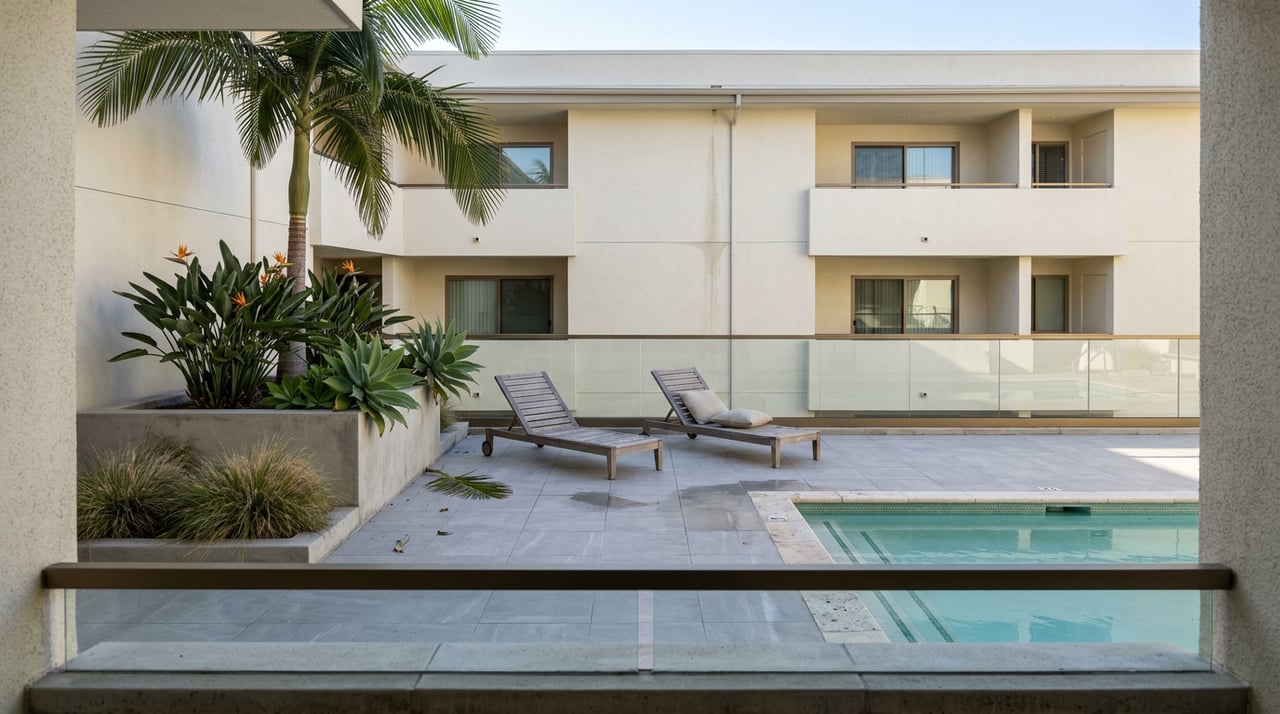
If you plan to live in Pasco part time, low-maintenance ownership usually matters as much as location. In many cases, condos, villas, townhomes, or HOA-managed homes can be easier to manage because upkeep expectations and shared responsibilities may be more clearly defined.
That matters because seasonal ownership comes with practical questions. You may be away for weeks or months at a time, so predictable maintenance, clear community rules, and easy access to services can make a big difference in your day-to-day peace of mind.
Florida condo and HOA documents can include rules on use, occupancy, transfer, and rentals. That means two homes with similar price points or locations may work very differently for a seasonal owner depending on the governing documents.
Before you buy, it helps to review:
If you want a second home that feels simple, the goal is not just a beautiful property. It is a property with a management structure and set of expectations that fit the way you plan to use it.
Possibly, but you need to check both county rules and community documents early in the process. In Pasco County, the land development code includes a vacation-rental section intended to reduce conflicts with permanent residents. It requires explicit approval and notification for developments that intend to allow vacation rentals, along with registration and monitoring of those units.
The county also states that vacation rentals with payment for six months or less are subject to the county’s tourist development tax. On top of that, condo and HOA documents may shape leasing rights and use restrictions, so the answer is often community-specific rather than the same across the county.
If rental flexibility matters to you, make it a priority from the start. It is much easier to narrow your search around properties and communities that match your goals than to discover restrictions after you are under contract.
For seasonal owners, travel convenience matters. Tampa International Airport offers nonstop service to about 80 destinations, and St. Pete-Clearwater International Airport serves the Tampa Bay area with more than 60 nonstop destinations. That gives many out-of-state owners practical options for arrivals, departures, and hosting guests.
Inside the county, GoPasco operates 11 fixed routes, paratransit service, and more than 1,200 bus stops, with connections to neighboring transit systems. Even if you mostly drive, it is useful to know there are local transit connections in place.
The biggest challenge with seasonal ownership is often not travel. It is keeping your property ready when you are not there. Pasco’s hot, wet summer climate and storm season make that planning especially important.
Pasco County’s emergency guidance encourages residents to learn their evacuation zone, use county tools and alerts, and remember that evacuation zones and flood zones are not the same. For many seasonal owners, that means setting up reliable local support before leaving for the season.
A practical away-from-home checklist may include:
This kind of planning helps protect both your property and your peace of mind. It also makes your return easier when the next season begins.
The best seasonal fit depends on how you want to spend your time. If you picture easy lock-and-leave living, a condo or townhome with clear maintenance structure may make sense. If boating is central to your lifestyle, canal, river, or bay access may matter more than direct beach proximity.
If you want a full social calendar, the county’s seasonal events and outdoor programming can add a lot to daily life. If you prefer quieter days, preserve access, paddling routes, and nature-focused waterfront areas may be the bigger draw.
Pasco rewards buyers who get specific about lifestyle first. When you understand the difference between beach access, boat access, preserve views, and low-maintenance ownership, you can make a more confident choice.
Seasonal living on Pasco’s Tampa Bay coast can be both relaxed and active, especially when you choose a home that fits the way you actually plan to use it. If you are weighing waterfront options, second-home strategies, or low-maintenance communities in Pasco, Jesse & Jeri Hannon can help you compare the details and move forward with clarity.
Stay up to date on the latest real estate trends.

You’ve got questions and we can’t wait to answer them.
Hannon Team
(239) 682-6262
[email protected]
1495 Pine Ridge Rd
Naples, FL 34109
14502 North Dale Mabry Highway
Tampa, FL 33618