Should You Buy a Condo or House for a Tampa Bay Second Home?
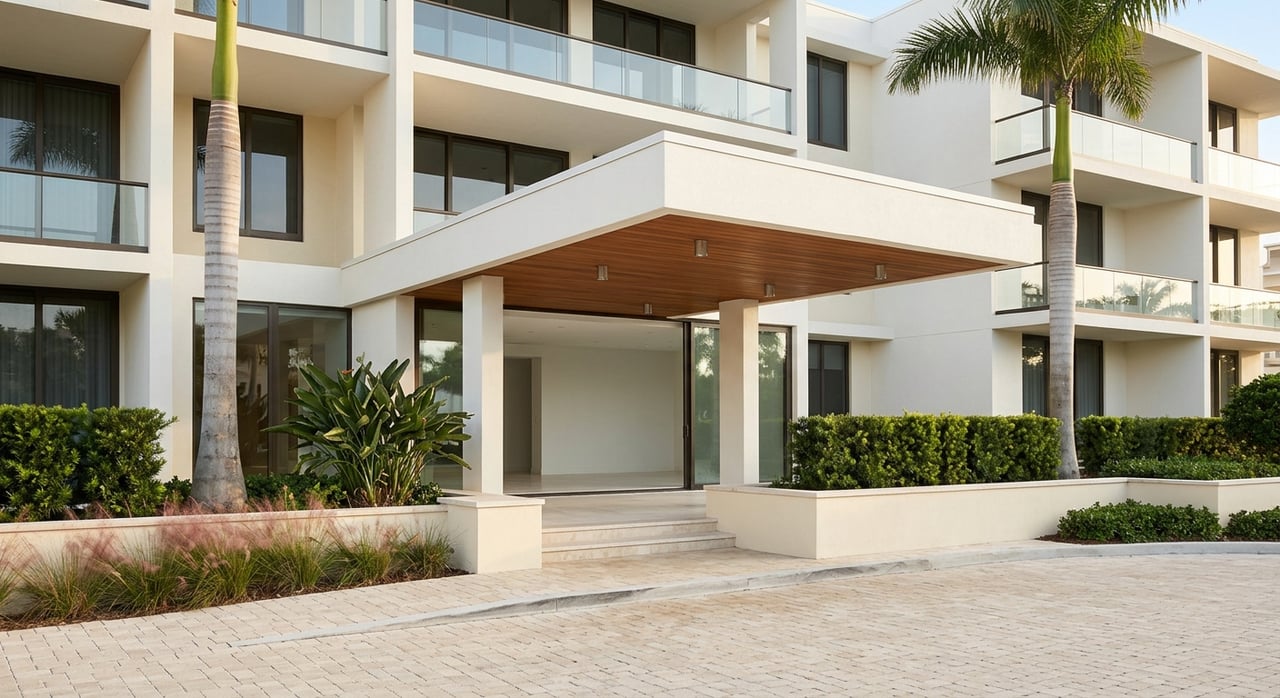
Are you picturing easy lock-and-leave living in Pasco County, or do you want the extra space and freedom that usually comes with a house? If you are shopping for a Tampa Bay second home, that choice matters more than many buyers expect. The right fit depends on how you plan to use the property, what costs you want to control, and how much day-to-day responsibility you want to keep on your plate. Let’s dive in.
Pasco County gives second-home buyers a real condo-versus-house decision. According to the Pasco County Property Appraiser, the county has 201,125 single-family parcels and 11,888 condominium units, along with 122 square miles of water. That mix creates a wide range of ownership styles, from low-maintenance condo living to houses with more direct control over parking, storage, and outdoor space.
That variety is one reason Pasco continues to attract buyers looking for seasonal, lifestyle-driven property. If you are comparing homes near the coast, rivers, or other low-lying areas, it also helps to separate location risks from property-type preferences. A condo and a house may both suit your lifestyle, but flood exposure, evacuation zone, and insurance costs still need their own review.
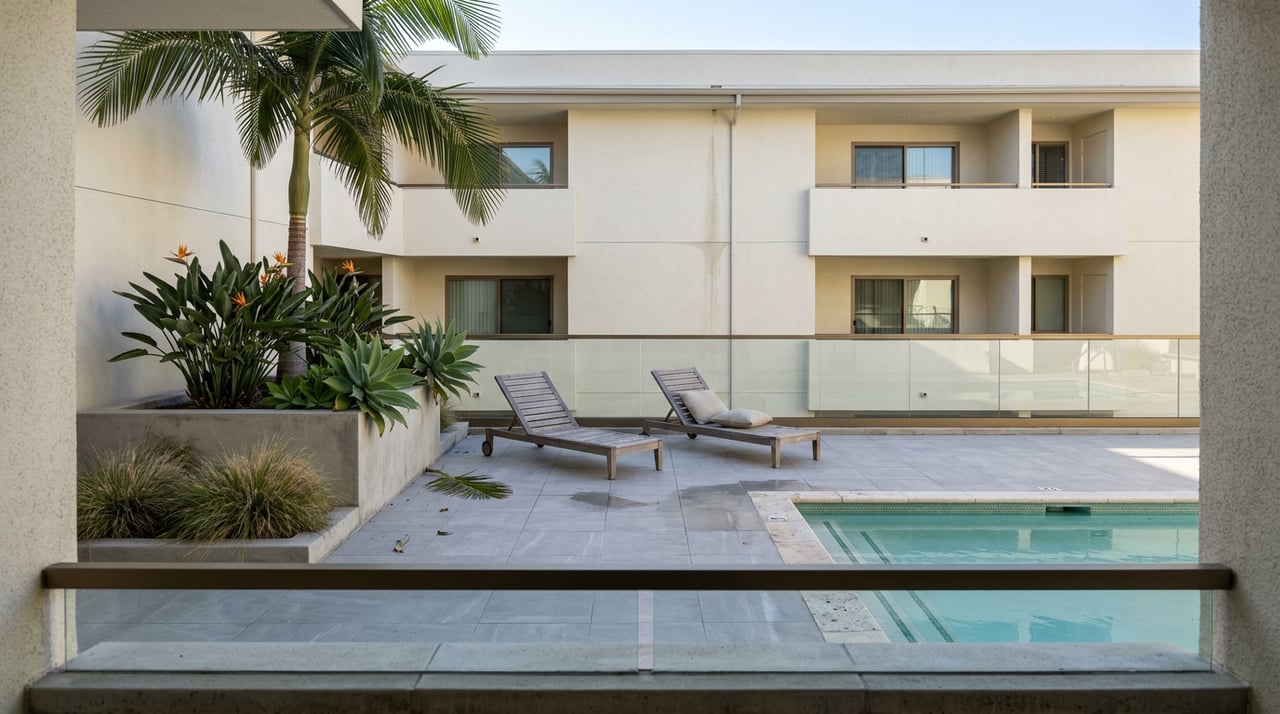
A condo can be a strong choice if you want a home that is easier to leave for weeks or months at a time. Under Florida law, condominium associations are responsible for maintaining the common elements, unless certain limited common elements are assigned differently in the declaration. In simple terms, that often means fewer exterior tasks for you to coordinate compared with owning a house.
For many seasonal owners, that convenience is the biggest advantage. If your goal is to arrive, enjoy your time in Pasco County, and head home without worrying as much about building upkeep, a condo may feel much more manageable. That can be especially appealing if your second home is part of a golf or waterfront lifestyle.
If you do not plan to be in Florida year-round, ease of ownership matters. A condo community structure can reduce how much you need to manage on your own between visits. That does not remove every responsibility, but it can lower the amount of exterior maintenance that falls directly on you.
Second-home buyers often want a property that supports short stays, seasonal use, and simple arrivals. In many condo communities, the shared maintenance structure helps support that kind of ownership. If convenience is your top priority, this may be the best starting point in your search.
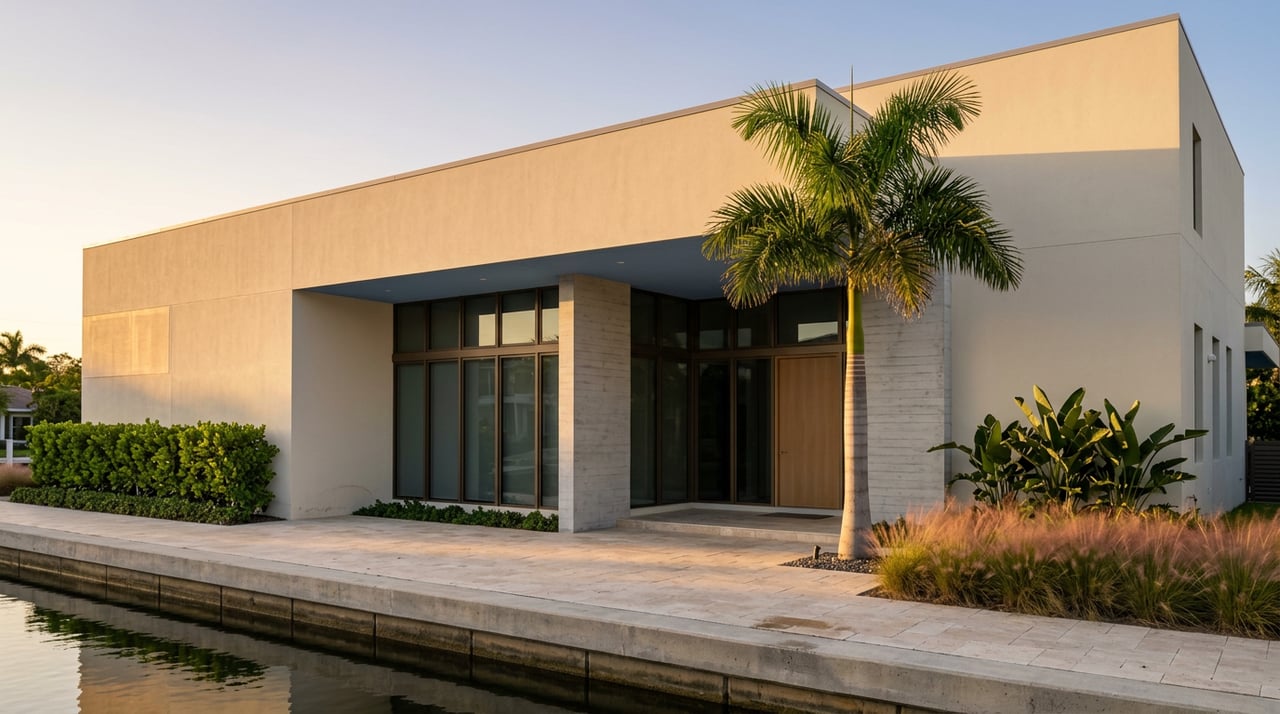
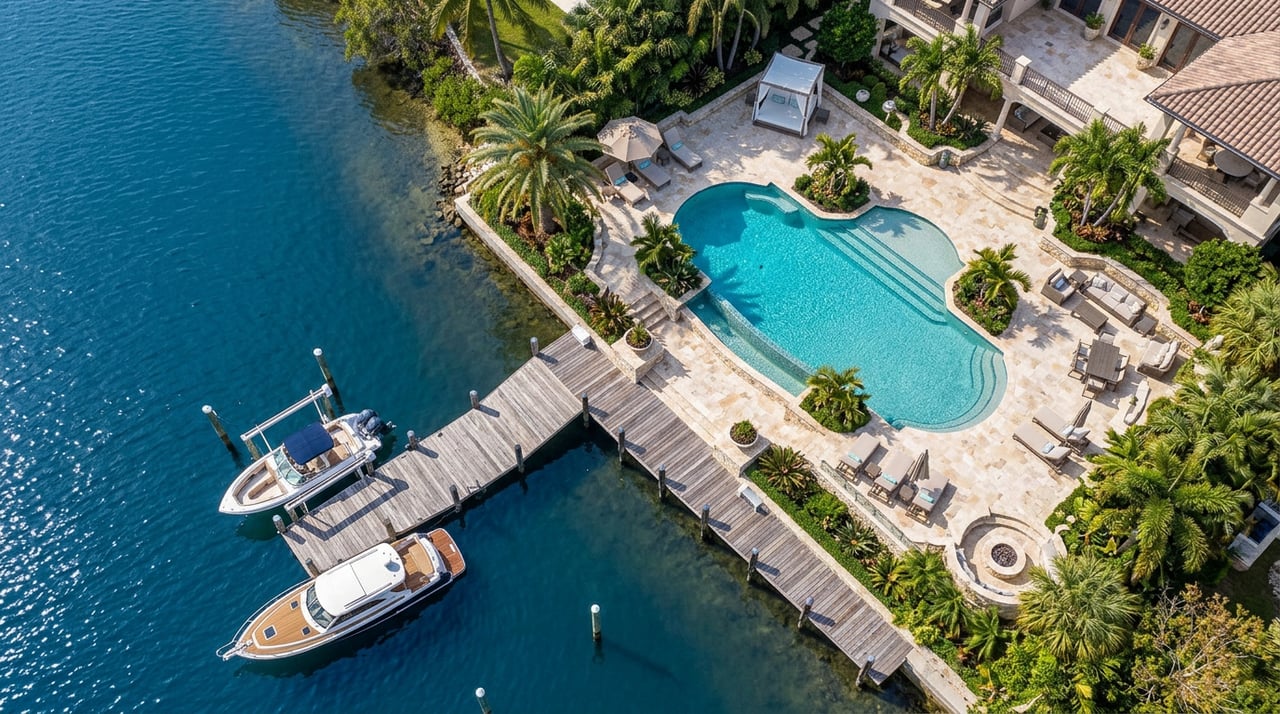
A house may be the better fit if you want more control over how you use the property. Buyers who care about garage space, outdoor living, guest parking, golf cart storage, or room for water gear often find that a house gives them more flexibility. That can make a big difference if you see your second home as a true lifestyle base rather than a simple getaway.
A house can also feel more adaptable over time. If your needs change, whether that means more guests, more storage, or different outdoor use, you may have more options. The tradeoff is that more maintenance planning usually stays with you instead of an association.
With a house, you are generally not relying on condo documents to define every detail of parking or storage. That can make ownership feel more straightforward if you know you want space for hobbies, vehicles, or visiting family and friends. For many buyers, that freedom is worth the extra responsibility.
If your second home will be used for longer stays, frequent guests, or active outdoor living, a house may align better with how you actually plan to live. The key is to match the property type to your real patterns, not just the image you have in mind. A beautiful home only works if it supports your routine.
One of the clearest differences between a condo and a house is who handles what. In a condo, the association is responsible for common elements as defined by the governing documents and Florida law. In a house, those decisions and costs usually belong more directly to you.
That means the condo-versus-house question is often really a convenience-versus-control question. If you prefer less day-to-day oversight, a condo may win. If you prefer to make more decisions yourself, a house may be the better long-term fit.
Parking and storage are easy to overlook when you are focused on finishes, views, or community amenities. In condo ownership, Florida law recognizes limited common elements and exclusively designated parking areas, and the declaration and rules control how those spaces work. So if you need a garage, guest parking, kayak storage, or golf cart space, verify those details before you commit.
This is one of the biggest practical differences between condos and houses in Pasco County. A house often gives you more direct control over these daily-use features. A condo may still work well, but only if the documents support the way you plan to use the property.
A condo’s monthly fee is only part of the ownership picture. Florida’s structural integrity reserve study rules cover major items such as the roof, structural systems, fireproofing and fire protection systems, plumbing, electrical systems, waterproofing and exterior painting, windows and exterior doors, and other large-cost items that affect structural integrity. If reserve funding falls short, an association may need special assessments or financing to meet funding needs.
That is why second-home buyers should look past the surface numbers. A lower purchase price does not always mean a lower total carrying cost. The real question is whether the association’s budget and reserve planning support the building over time.
Florida law requires prospective condo buyers to receive key documents, including the declaration, articles of incorporation, bylaws and rules, annual financial statement, annual budget, and, when applicable, the latest milestone-inspection summary and most recent structural integrity reserve study. Those documents can tell you a great deal about how the community operates and whether major repairs may be looming.
For second-home buyers, this review is essential. It helps you understand whether the association is collecting enough money and whether fee increases or assessments could affect your future costs. In a condo purchase, these documents are not a side detail. They are central to the decision.
If you are buying a second home in Pasco County, do not assume you will receive a homestead exemption. The Pasco County Property Appraiser states that the homestead exemption applies only to your primary permanent residence on January 1. For seasonal or vacation-home buyers, that means your tax planning should reflect the property’s second-home status.
This is an important budgeting step whether you choose a condo or a house. A realistic cost picture helps you compare ownership options clearly. It is always better to know the full carrying cost up front than to be surprised later.
Near the Gulf, bays, rivers, or low-lying inland areas, flood risk deserves its own review. Pasco County offers an address-based evacuation-zone search with zones A through E, which can help you understand storm-related planning for a given property. That should be part of your screening process no matter which property type you prefer.
It is also important to remember that standard homeowners insurance usually does not cover flood damage. Flood coverage should be reviewed as a separate line item, especially in water-oriented or lower-lying parts of the county. A condo may offer easier maintenance, and a house may offer more freedom, but neither choice removes the need to evaluate flood exposure carefully.
If you are torn between a condo and a house, start with how you will actually use the home. Think about how long you will stay, how often guests will visit, what you need to store, and how much property oversight you want when you are away. Those answers usually point you in the right direction faster than a list of amenities will.
In general, a condo may be the better fit if you want lower day-to-day oversight and easier time away from the property. A house may be the better fit if you value more freedom with parking, storage, yard space, and customization. Neither option is automatically better. The best choice is the one that supports your real lifestyle in Pasco County.
If you are comparing second-home options in Pasco County, the smartest move is to look beyond photos and ask practical questions early. The right guidance can help you weigh lifestyle fit, ownership costs, and property risks with more confidence. When you are ready to talk through your options, connect with Jesse & Jeri Hannon for a thoughtful, personalized consultation.
Stay up to date on the latest real estate trends.
You’ve got questions and we can’t wait to answer them.
Hannon Team
(239) 682-6262
[email protected]
1495 Pine Ridge Rd
Naples, FL 34109
14502 North Dale Mabry Highway
Tampa, FL 33618